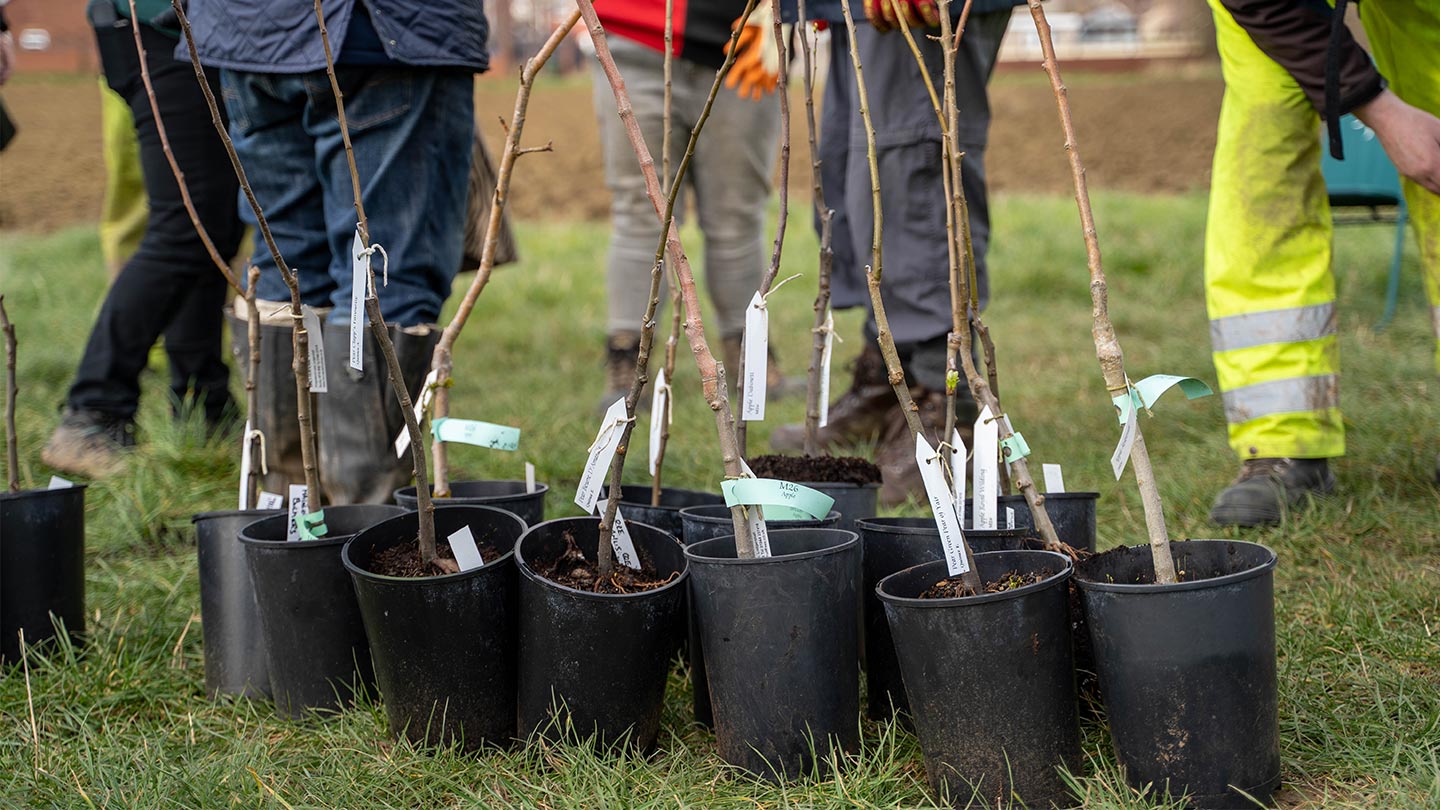
Why Tree Choice Matters Not all trees are suited to all locations. Choosing the right tree for your space is the most important step in successful planting. It affects how well your tree grows, how much care it needs, and how long it lives. A good match means less stress for the tree — and less work for you.
Native vs. Non-Native Species Native trees are species that naturally occur in your region. They support local wildlife and are often more resilient to local pests and climate. Non-native trees can be beautiful or useful, but may need more care and sometimes pose a risk to local ecosystems. Always check local guidelines before planting.
Match the Tree to the Space
-
Soil: Some trees love clay, others prefer sandy or loamy soils. Test your soil or observe what’s already growing nearby.
-
Sunlight: Does your location get full sun, partial shade, or deep shade?
-
Size at Maturity: Consider how tall and wide the tree will be in 10, 20, or 50 years. Don’t plant too close to buildings, fences, or other trees.
Fast-Growing vs. Long-Lived Trees
-
Fast-growing species (like willows and poplars) can provide quick cover but may have shorter lifespans and weaker wood.
-
Slow-growing species (like oaks or yews) take longer to establish but often live for generations.
Purpose and Benefits Think about why you’re planting:
-
For wildlife? Choose species that provide food and shelter (e.g. hawthorn, rowan).
-
For fruit? Look at apple, pear, cherry, or plum trees.
-
For firewood or timber? Consider species like ash or sycamore.
-
For shade or visual interest? Trees like silver birch or ornamental maples are great options.
Choosing the right tree now will save you time, money, and energy in the years to come.